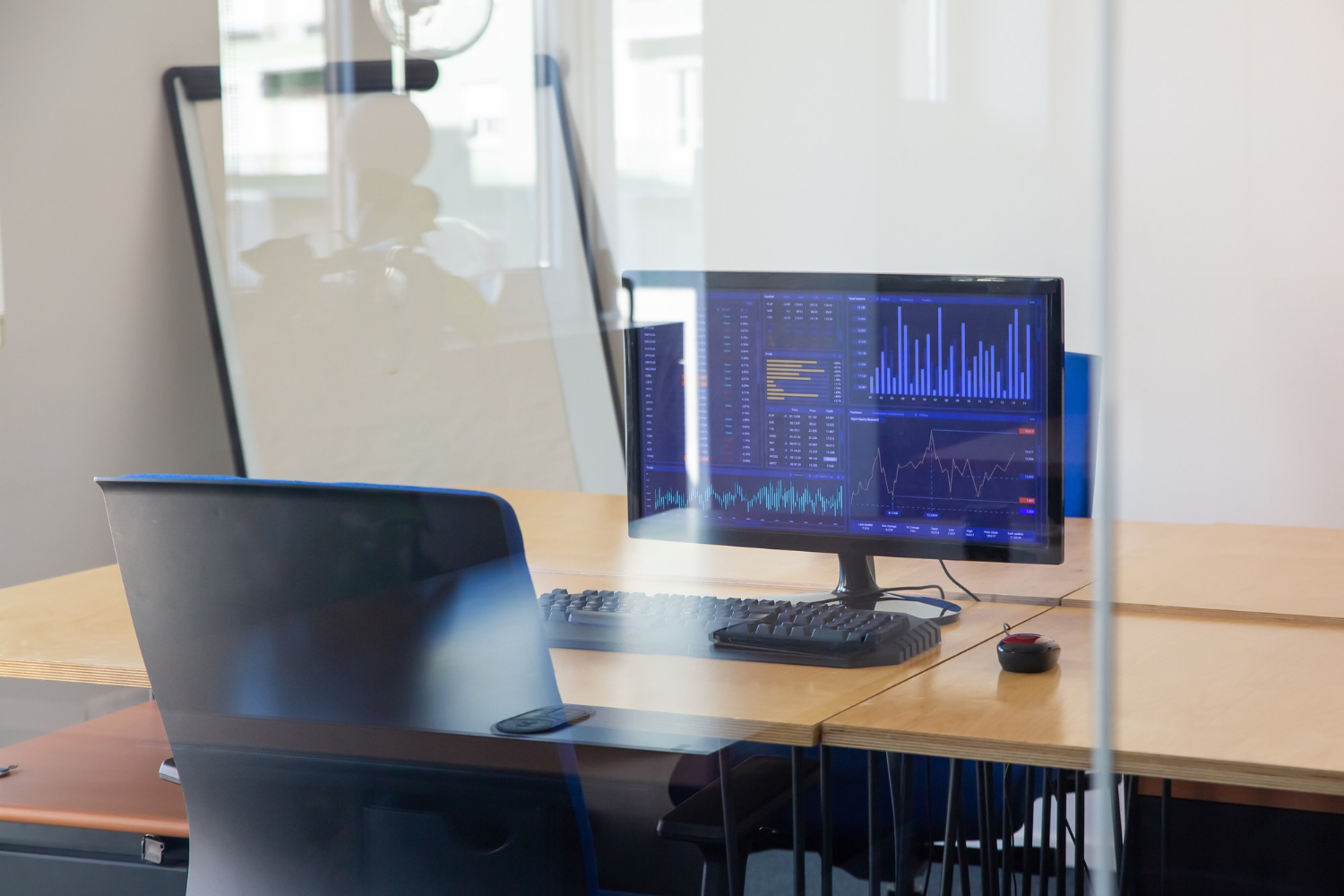

India’s trading volumes have surged by 400% since 2020, fueled by retail investors seeking seamless, high-performance platforms. Web-based MT5 is at the forefront of this transformation, reshaping market access amid SEBI’s evolving regulations.
Key advancements include cloud integration, 5G-powered performance, leading broker adoption, stronger security protocols, and a clear shift from desktop-based platforms to browser-based trading. Together, these changes are redefining how Indian traders engage with the markets.
Regulatory Landscape in India
India’s trading ecosystem operates under strict SEBI oversight, with specific compliance requirements for brokers offering MT5 services. The SEBI 2023 circular on algorithmic trading mandates risk controls such as position limits and real-time monitoring for web-based MT5 platforms. Brokers must ensure client safety across both Forex and equity trading environments in India.
At the same time, the RBI enforces restrictions on Forex trading, allowing only INR-based currency pairs through recognized Indian exchanges such as the NSE. This limits currency trading to domestic pairs while still supporting multi-asset trading through the MT5 Web Terminal and similar browser-accessible platforms. Retail traders in India benefit from regulated access to instruments such as Nifty and Bank Nifty.
Key compliance checkpoints include client fund segregation, a 1:50 leverage cap, transparent pricing, and complete audit trails. SEBI’s broker verification and approval framework helps validate eligible MT5 providers in India. These safeguards promote safer use of online trading platforms.
Key compliance requirements:
- Segregation of client funds in trust accounts for protection
- A leverage cap of 1:50 to help manage trading risk
- Transparent pricing with real-time quotes
- Audit trails for all trades and algorithmic activity
SEBI Guidelines and Compliance
SEBI requires MT5 brokers to maintain a net worth of at least ₹10 crore and implement real-time surveillance systems. These rules are designed to improve broker stability and strengthen investor protection in India’s rapidly expanding digital trading environment.
Five important SEBI rules are shaping the evolution of MT5 in India:
- Algorithms must undergo a 30-day review process before going live
- Brokers must clearly disclose 2% intraday margin requirements
- Order audit records must be retained for five years
- KYC must be completed using Aadhaar or DigiLocker
- Annual compliance audits are mandatory
In 2023, a non-compliant broker was fined ₹5 crore for weaknesses in risk management. Approved MT5 features now include mandatory stop-loss functionality, while high-frequency trading is not allowed without prior regulatory approval. Traders should always verify whether a broker complies with these standards before using any platform, including the MT5 Web Terminal.
Key Technological Advancements
Web MT5 platforms now support 38 technical indicators, 21 timeframes, and MQL5 Expert Advisors, while delivering up to 99.9% uptime. Indian traders can access advanced tools such as RSI, MACD, and Bollinger Bands directly in a browser, enabling sophisticated trading without the need for desktop installation.
Major advancements include:
- Depth of Market (DOM) for real-time order book visibility
- Support for hedging, allowing traders to hold opposing positions for risk management
- More than 100 pending order configurations, including limit orders and trailing stops
- A built-in economic calendar for event-driven trading strategies
According to recent platform updates, web-based MT5 processing is now even faster than some desktop environments, improving execution speed for active traders. India-specific functionality increasingly includes NSE real-time data feeds and support for Nifty 50 derivatives, making browser-based trading more practical than ever.
These enhancements support multi-asset trading across Forex, commodities, indices, and CFDs, while giving traders a smoother and more accessible experience through the MT5 Web Terminal.
Cloud Integration and Accessibility
Cloud-based MT5 infrastructure now delivers sub-10ms execution speeds through data centers such as AWS Mumbai, which are used by many brokers serving Indian traders. This architecture supports automatic scaling during periods of high market activity and improves reliability in stock and Forex trading.
Key benefits include:
- WebSocket connectivity for live quotes and chart updates
- Reduced latency compared with traditional desktop setups
- Better accessibility across laptops, tablets, and smartphones
- Geo-redundancy across multiple data centers for improved uptime
Typical cloud deployment options include:
- Broker VPS solutions at roughly $15 per month
- AWS Lightsail instances at around $20 per month
- Google Cloud Run for containerized algorithmic trading deployments
These options are especially useful for traders running Expert Advisors or automated strategies 24/7. Combined with mobile responsiveness, cloud integration helps position the MT5 Web Terminal as a practical alternative to desktop MT5.
Major Indian Brokers Offering MT5
Several globally recognized brokers serving Indian traders offer web-based MT5 access with INR-compatible account options and products tied to Indian indices. These platforms allow traders to use MetaTrader 5 directly from a browser without installing software.
Opening an account typically takes around 15 minutes, with KYC verification completed using Aadhaar. Deposits can often be made through UPI or IMPS, making onboarding faster and more convenient for retail users.
These brokers support multiple asset classes, including:
- Currency pairs
- Indices
- Commodities
- CFDs
When comparing brokers, traders should pay attention to spreads, leverage, minimum deposits, available Indian instruments, and risk management tools such as stop-loss and take-profit features. Testing a demo account before funding a live account is strongly recommended.
Broker Comparison Table
| Broker | MT5 Web | Spreads (EUR/USD) | Leverage | Min Deposit | Indian Assets |
|---|---|---|---|---|---|
| XM India | Yes | 0.6 pips | 1:500 | 1000 | Nifty / Bank Nifty |
| OctaFX | Yes | 0.9 pips | 1:500 | 500 | NSE stocks |
| IC Markets | Yes | 0.1 pips | 1:500 | 2000 | Sensex / Nifty CFDs |
| FP Markets | Yes | 0.3 pips | 1:500 | 1000 | Bank Nifty / Indices |
| FXTM | Yes | 0.7 pips | 1:1000 | 500 | NSE / BSE CFDs |
Shift from Desktop to Web Platforms
An NSE survey indicates that 85% of Indian retail traders shifted from desktop MT5 to web-based versions between 2023 and 2024. This transition reflects growing demand for accessible, lightweight platforms that do not require heavy installations or complex maintenance.
Several factors are driving this shift:
- No need for manual downloads or updates
- Faster access through browsers
- Lower RAM consumption compared with desktop software
- Compatibility with low-spec devices commonly used by retail traders
- Progressive Web App functionality for app-like convenience
Web-based platforms typically consume around 120MB of RAM, compared with roughly 450MB for desktop installations. This makes browser-based access more practical for a wider range of users.
To transition smoothly, traders can:
- Export templates to preserve charting setups
- Sync EAs through cloud tools
- Optimize their browser settings for lower latency
Performance and Speed Improvements
Web MT5 now delivers execution speeds as low as 7ms through technologies such as WebAssembly, compared with around 22ms in some desktop environments. This performance improvement is especially valuable for scalping, intraday trading, and other fast-moving strategies.
Additional performance upgrades include:
- Canvas2D rendering for smoother 60fps charting
- Service Workers for cached content and temporary offline resilience
- HTTP/3 support for reduced latency
- Better support for multi-chart layouts and real-time order execution
These improvements make web trading highly competitive, especially for Indian traders focused on indices such as Bank Nifty, Nifty, and INR currency pairs.
Mobile-Responsive Trading Features
Modern web MT5 platforms are designed to work smoothly across smartphones, tablets, and desktops. Responsive layouts support mobile trading without sacrificing key features, making it easier for Indian users to trade on the go.
Important mobile-responsive features include:
- Touch-optimized charting tools for trendlines and Fibonacci levels
- One-swipe pending order placement for quick execution
- Offline trade queueing during short connectivity interruptions
- Biometric login using fingerprint or face recognition
- Push notifications for price movements and trade alerts
- Dark mode for improved comfort during extended sessions
These features make the MT5 Web Terminal increasingly attractive to mobile-first retail traders in India.
Impact of 5G on the Trading Experience
India’s 5G rollout has significantly enhanced the trading experience for web-based users. In some tests, tick-to-trade latency has dropped from 45ms on 4G to just 4ms on 5G, allowing faster and more precise order execution.
Performance gains include:
- Download speeds reaching 950Mbps
- Higher tick update frequency
- Faster chart loading and order execution
- Better support for low-latency and high-frequency trading styles
Carrier performance also varies:
| Carrier | Avg Latency (ms) |
|---|---|
| Jio 5G | 12 |
| Airtel | 15 |
| Vi | 18 |
For active traders, pairing 5G connectivity with the MT5 Web Terminal can produce a smoother and more responsive experience, particularly during volatile sessions.
Security Enhancements in Web MT5
Security is a critical part of web-based trading evolution in India. Web MT5 platforms now rely on technologies such as AES-256 encryption, WebAuthn biometrics, and SEBI-mandated two-factor authentication to safeguard client accounts and transaction data.
Key security enhancements include:
- Client-side WebCrypto API for browser-level encryption
- HTTPS with HSTS to prevent insecure connections
- Session fingerprinting to detect suspicious access
- IP geofencing for India-based access controls
- Trade confirmation through UPI PIN where supported
Leading brokers have strengthened their cybersecurity posture in line with CERT-In guidelines, helping reduce the risk of breaches and unauthorized access. Traders should still enable all available protections, including 2FA and biometric authentication, for safer use of web-based MT5 services.
Future Trends and Predictions
By 2026, a significant share of Indian MT5 traders may rely on AI-driven Expert Advisors, advanced automation, and even quantum-resistant encryption for web-based trading. These innovations are expected to reshape how retail and professional traders engage with Indian and global markets.
Major future trends include:
- AI sentiment analysis for interpreting news and social media signals
- Blockchain-based trade settlement tied to the digital rupee
- Web3 wallet integration for expanded financial connectivity
- AR/VR chart visualization for immersive technical analysis
- Zero-knowledge proof privacy for enhanced data protection
As SEBI expands its regulatory sandboxes and the NSE explores blockchain infrastructure, traders may see more innovation integrated directly into browser-accessible trading environments.
AI Sentiment Analysis in MT5
AI sentiment analysis could become a major force in algorithmic trading by processing market news, public commentary, and social media signals in real time. This would allow traders to combine traditional indicators such as RSI and MACD with sentiment-driven insights for faster decision-making.
Blockchain Trade Settlement
Blockchain-based settlement, especially if tied to the RBI’s digital rupee ecosystem, could speed up trade confirmation and reduce settlement risk. This would be especially valuable in indices, commodities, and other high-volume instruments.
Web3 Wallet Integration
Web3 wallet connectivity may eventually allow traders to bridge decentralized finance tools with traditional MT5 environments. If this develops under a compliant regulatory structure, it could expand how traders access markets and manage digital assets.
AR/VR Chart Visualization
AR and VR interfaces could create more immersive chart analysis environments, helping traders visualize complex data, identify patterns, and interpret multi-timeframe structures more intuitively.
Zero-Knowledge Proof Privacy
Zero-knowledge proof systems may strengthen privacy by allowing sensitive transaction data to be verified without being fully exposed. This could become an important layer of security as online trading volumes continue to grow in India.
Frequently Asked Questions
How is web-based MT5 trading evolving in India?
Web-based MT5 trading in India is evolving through better browser accessibility, stronger regulatory safeguards, improved mobile responsiveness, and advanced technologies such as AI tools and low-latency cloud infrastructure.
What are the key drivers behind this evolution?
The key drivers include increasing smartphone penetration, stronger internet infrastructure, demand for multi-device access, and broker support for local payment systems such as UPI.
How is regulatory compliance shaping this evolution?
SEBI’s stricter rules on risk management, KYC, data security, and transparency are pushing brokers to offer safer and more compliant web-based trading environments.
What new features are shaping MT5 web trading in India?
Important new features include responsive charting, custom indicators, one-click trading, browser-based algorithmic support, better speed, and tighter security systems.
How is technology influencing web-based MT5 trading in India?
Technology is accelerating growth through cloud hosting, HTML5 and WebAssembly optimization, faster mobile connectivity, and integration with Indian market instruments.
What challenges still exist?
The main challenges include inconsistent internet quality in some regions, cybersecurity risks, and adapting advanced trading tools for new users. These issues are being addressed through offline caching, 2FA, browser optimization, and stronger broker education.
Conclusion
Web-based MT5 trading is rapidly transforming India’s financial landscape. With tighter regulation, faster infrastructure, stronger security, and growing mobile adoption, browser-based platforms are becoming the preferred choice for many retail traders.
As cloud technology, 5G, AI, and next-generation security continue to develop, the MT5 Web Terminal is likely to play an even bigger role in how Indian traders access markets, manage risk, and execute strategies. For traders seeking flexibility, speed, and convenience, web-based MT5 is no longer just an alternative to desktop trading—it is increasingly becoming the standard.